As far as we can remember, every gaming year had its “this is definitely the future” moment, for sure. But what happens a lot of the time is: The industry overshoots slightly, player fatigue sets in, and budgets get cut. Suddenly, this future becomes one of the gaming trends nobody wants to talk about, and rather puts under the rug, if we’re honest.
So, in order to make another prediction heading into 2026, we’re expecting less of a clean cut and a nice goodbye to some games, features, and trends, but more of a…well, messy correction of what has been done wrong before. Big releases might still matter in the way they did before, but what they exemplify matters even more.
You know, how are the games priced, how are they shipped, is there even a physical copy anymore, and what studios decide is worth building at all? You know what we mean. So, without further ado, here are the gaming trends we think will disappear, mutate, or even collapse in glorious fashion in 2026 – and why, of course.
Everything Needs a Battle Pass Will Start Fading Away Slowly, as far as Gaming Trends Go
Okay, so hear us out – we’re not saying live service games are going to die out, because let’s face it: There’s too much money in that, and we know greedy investors love their money. No, but we are saying that 2026 is the year more studios quietly stop treating battle passes like the default menu option it once was.
We can feel players being overloaded, because if every game we turn on asks for weekly chorse (because that’s what a battle pass is), it starts feeling like a second job, not our favorite hobby. So for us, this is a trend that can gladly go to hell, and players will definitely be the winners in this aspect.
Price Creep Becomes The New Normal And Forces Smaller, More Intimate Games in Turn
We honestly hope – and think – that 2026 is the year the industry finally admits that games are getting too expensive to justify. Just remind yourself what your latest, favorite game had for editions, standard, deluxe, ultimate, mega-super-ultra edition, early access, some currency bundles added on top – it just adds up and becomes ridiculous.
As one of the gaming trends fading away, we expect the shift to be towards a split market, basically. What we also suspect is that AAAA studios will still push prices and editions because, you know…they can. However, mid-budget studios might counter by going a bit tighter, rather than bigger.
12-20 hour campaigns with a stronger replay value, better pacing, and fewer expensive open-world chores for everyone. So no more mid-tier games being buggy and trying to cosplay as a 200-hour blockbuster, which was never going to happen. Players just won’t tolerate the unnecessary bloat anymore, and good for them. Good for them. On that note…
Bloated Open Worlds Will Keep Shrinking
We’ve already covered open-world fatigue, so this isn’t news at all, but 2026 is the year it becomes a reality in the development of new games, not just an edgy hot take. Just to be clear, open worlds as gaming trends go won’t disappear – but that Ubisoft checklist design probably will.
We expect more games to borrow the best part of good and creative open worlds with their freedom of approach, in a sense, while simultaneously cutting the fat off and creating gaming worlds with less filler, one of the gaming trends we honestly hate most.
So, what that means is, fewer climbable towers, fewer collect 30 things quests – just because – and more handcrafted, lovingly created zones, denser, more purposeful questlines, and traversal that actually makes sense and is meaningful.
Hardware and Storefront Expectations Get Shaken Up…Again
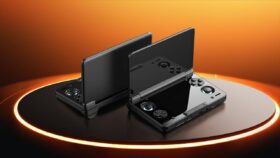
We’re expecting a real fight over where PC gaming “belongs” – desk, handheld, or living room. New living-room-friendly PC hardware and ecosystem pushes (and the continued normalization of handheld PC play) will keep forcing developers to optimize for more form factors.
The trend that dies in our opinion: treating the PC as the “one size fits all” platform where you can ship a settings menu and call it a day. If your game runs great on a couch-friendly PC box and a handheld, you’ve widened your audience without needing a console deal. Win-win, right? Right. Not in regard to gaming trends per se, but relevant nonetheless.