



06 August 2026
PlayStation


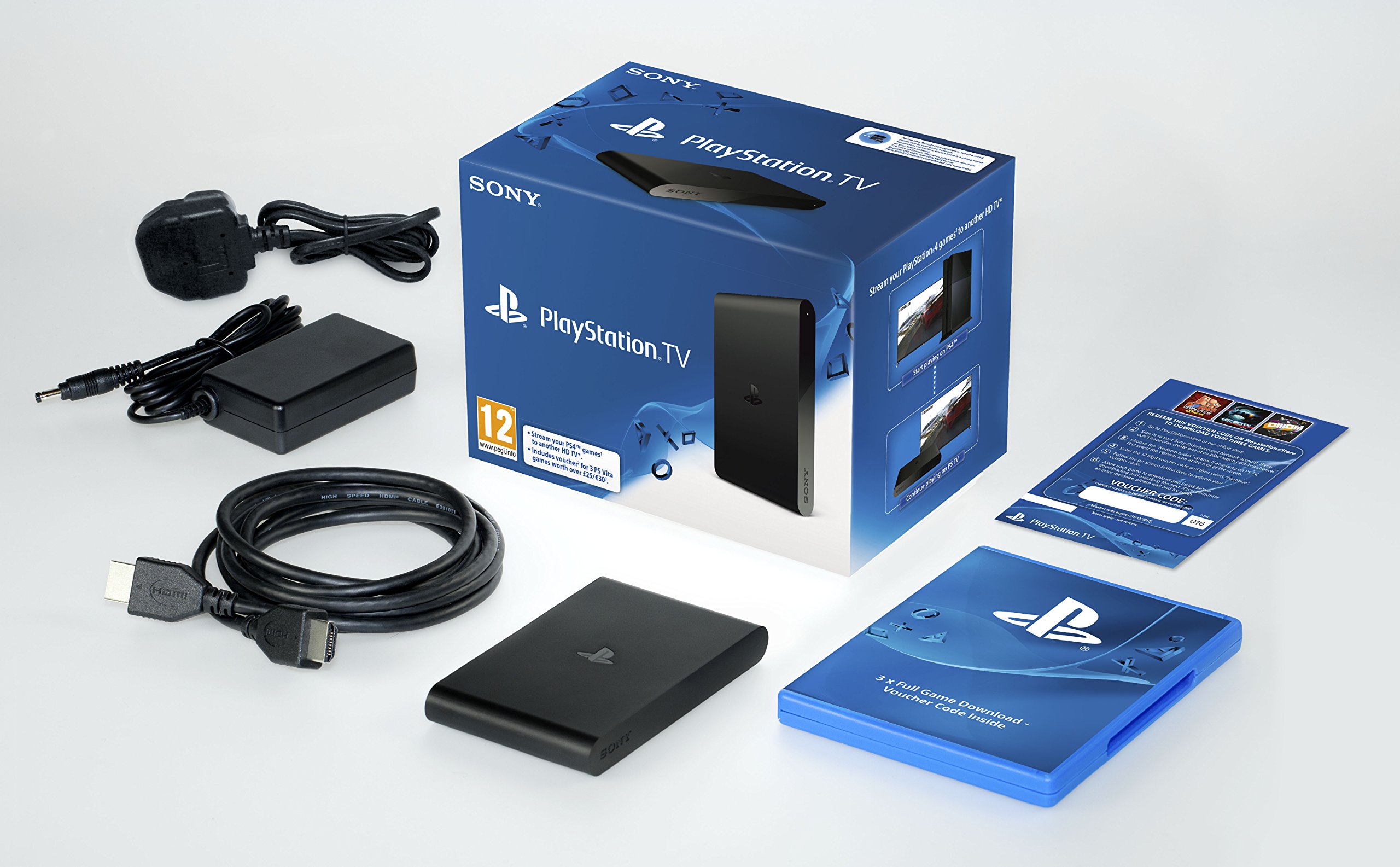
The PlayStation TV (PS TV) is arguably Sony’s strangest console of all time, releasing in the US to virtually no excitement in 2014. The PS TV was practically a PlayStation Vita without the screen.
Here’s the thing: the device doesn’t play every Vita title, with most of the console’s best-selling games not compatible. Despite its flaws, the PlayStation TV certainly had its place in the market, and revisiting the device in 2026 is fascinating.
The PlayStation TV is a tiny home console that hooks up to your TV and plays Vita cartridges. The console is a Vita without the screen, so it can do most things that the handheld can do, such as play PlayStation One classics and PSP games.
One of the console’s biggest selling points at the time was PlayStation 4 remote play, allowing you to use the tiny device in a different room to stream PS4 games to another TV. Despite remote play being relatively new in 2013, it worked surprisingly well.
When the service was still active, you could also stream PS3 games via PlayStation Now, making it the ultimate mini-PlayStation machine. The console also supports PS3 and PS4 controllers via Bluetooth and has Wi-Fi.
With the PS Vita slowly being phased out, this was Sony’s last attempt at increasing the value of the Vita library. To be fair, the price of the PlayStation TV was superb when it was released in late 2014, with the bundle option of a DualShock 3 controller, an 8GB memory card, and The Lego Movie game available for just $139.
Just a couple of years later, the PS TV was found in bargain bins for around $40, with Sony’s online store even dropping the price to $20 before it was discontinued completely. That is serious value for money for a console capable of playing so many incredible PlayStation games.
The PlayStation Vita is also excellent for those looking to play PS games on a portable. In 2026, the Vita could still be the best handheld for indie and retro games.
The PlayStation TV was a solid device, but it had one fundamental problem. Due to the console having Vita components, most games required the touchscreens, which, obviously, the PS TV didn’t have.
There were workarounds with some games thanks to the touchpad on the PS4 controller, while others managed to swap the touch controls with physical buttons on the gamepad. However, most of the Vita’s must-play titles do not work on the PlayStation TV.
Sony created a blacklist of incompatible Vita games. Uncharted: Golden Abyss was a system seller for the Vita, but you cannot play the portable Uncharted on the PS TV due to mandatory touchscreen and motion controls.
Wipeout 2048, another blockbuster title for the Vita, is also incompatible, while the likes of Gravity Rush, Tearaway, Metal Gear Solid: Peace Walker, and many other top games run into the same problem.
Vita games that do work on the PS TV can look pretty rough on big-screen TVs. Originally, the games were designed for a 5-inch 540p portable screen, so the sub-HD image blown up to large displays can result in blurry and stretched graphics.
The PlayStation TV is also only capable of outputting 720p and 1080i, making full HD not an option. That’s okay for PS3 games, but remote play on the PS4 can suffer.
The blacklist issue certainly hurts the console, but the ability to play some Vita and PSP games on the big screen is still appealing to retro gamers.
Just five years after PlayStation TV’s release, Sony jumped onto the mini retro console craze by bringing out the PlayStation Classic in December 2018. Fans couldn’t wait to get their hands on the mini device, but the PS Classic was a huge disappointment.
First and foremost, the performance was lacklustre, with poor emulation leading to bad frame rates. Also, many games were 50 Hz PAL editions rather than the 60 Hz NTSC versions, which was a baffling decision by Sony.
One of the PlayStation Classic’s biggest flaws was the exclusion of crucial PlayStation One games. Crash Bandicoot was missing, while Tom Clancy’s Rainbow Six was included. To make matters worse, the console lacked DualShock controllers, so the built-in games were tough to play with no analog stick support.
The PlayStation Classic may win for nostalgia and its plug-and-play retro nature, but the PlayStation TV beats it in just about every other way. The PS TV gives you access to top PS1, PSP, and Vita games, and you can remote play using various controllers.
The PS Classic is a collector’s item and will look good on your shelf, but the PS TV has far more value and is generally cheaper on third-party selling sites.
With more gamers looking for a nostalgia fix, retro consoles like the PlayStation TV are getting popular. The PS3 era could be the golden age of single-player gaming, but the PS TV offers so much in such a small package.
The PlayStation TV could be the perfect companion device to your PS5. It holds up remarkably well as a retro console for older PlayStation games and provides an excellent way to get into the Vita if you never owned Sony’s handheld.
The PS TV must go down as one of Sony’s biggest gaming flops, but the retro device is ageing like a fine wine and could find a place in your gaming setup in 2026 and beyond.

I have been writing about sports and gaming for over a decade, covering stories from the biggest games and trends. I have had work published by Cardiff City Football Club, the Hong Kong Jockey Club, and many other major websites.