






By Paul McNally
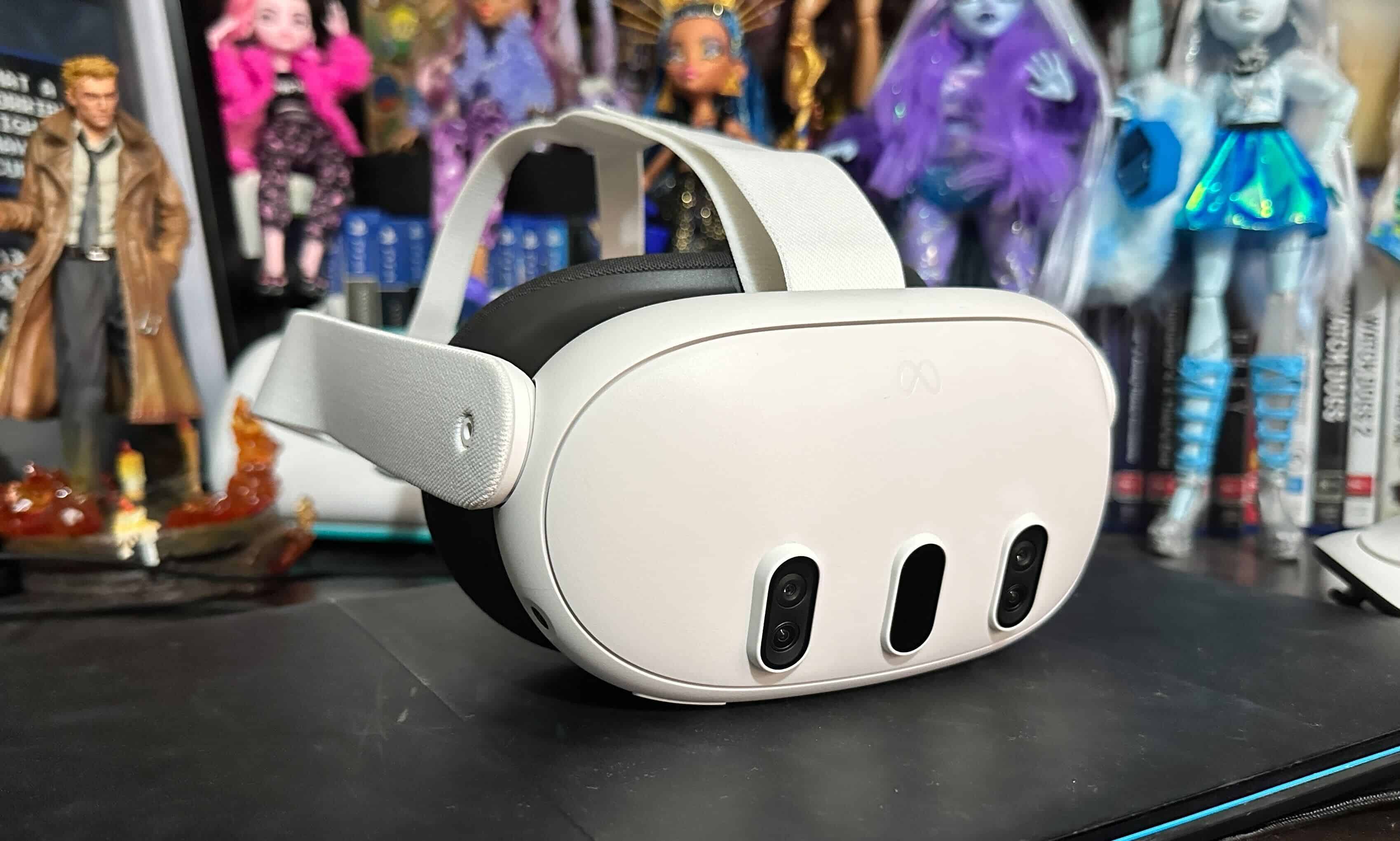
Meta says soaring memory-chip costs have forced it to increase the price of its Quest headsets. Costs that are being driven in significant part by the AI industry’s voracious appetite for memory and data-centre hardware. Meta, meanwhile, is investing in another gigantic AI campus that will place still more demand on that constrained supply chain.Where does that leave virtual reality gaming in the future? We take a look at happenings at Meta in part one of this two-part feature.
This week, Meta has found itself in a slightly awkward position. Not for the first time, and unlikely to be the last.
As recently as April, the company increased the price of its Meta Quest 3 and Quest 3S headsets, explaining that a “global surge” in the cost of critical components had made the existing prices unsustainable. You know, those nebulous global conditions we keep hearing about from everybody when it comes to ratcheting up the RRP. Sony has done it, Nintendo has done it, Valve has done it. The increase is always a nice round figure, no matter the current affair. Weird.
The entry-level 128GB Quest 3S rose from $299.99 to $349.99, while the 512GB Quest 3 shot up from $499.99 to $599.99. Meta specifically identified memory chips as the problem, in its press release, saying the price surge was affecting almost every category of consumer electronics, which, of course, is not new news.
That’s unfortunate but at least it’s understandable. Components become more expensive, manufacturing costs increase and, eventually, somebody has to pay for it.
That somebody, naturally, is you. The one without the multiple billions in the profit column of the spreadsheet.
The component explanation becomes even harder to swallow, however, when you look at what Meta is doing with its own cashola, and before we get going here I’d like to draw my line in the sand and state that I am not an anti-AI pitchfork waver, so let’s get that out of the way from the off.
On July 28, Meta and investment giant BlackRock announced a new venture to finance, build and operate a huge data centre campus in El Paso, Texas. The site will offer one gigawatt of capacity and is intended to help Meta accelerate its AI models and support its wider business.
The expected development cost is approximately $14 billion. Small change, although not as small as the extra $50s and $100s incoming from the sale of the Quest headsets, they are taking from your pocket.
So, what we have is, er, Meta blaming the AI industry’s voracious appetite for memory and infrastructure for making its consumer hardware more expensive, while simultaneously walking up to the buffet for another plate of those tasty, tasty in-demand chips.
In a way, you have to admire the balls of the messaging.
Is it that simple though? Is there any nuance to what’s going on that helps us see things from Meta’s point of view?
Okay, so Meta is not directly paying the entire $14 billion cost itself. Funds managed by BlackRock will own 80% of the venture, with Meta retaining a 20% stake. BlackRock will contribute approximately $4.9 billion in cash, while some of its investment will be financed through $12.5 billion in debt.
Meta will contribute land and construction assets valued at approximately $2.3 billion and receive a one-off distribution of around $1 billion to align the ownership split.
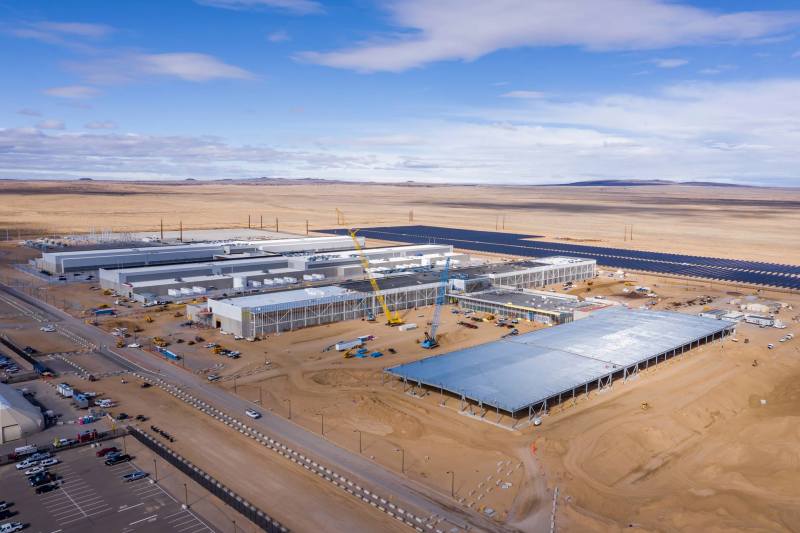
However, Meta will also lease the entire campus as its initial sole occupant. The company has provided residual value guarantees with an aggregate threshold of approximately $13 billion, while the leases could run for as long as 20 years if all extension options are exercised. This is hardly Zuckerberg finding an old unused server cabinet out behind the Instagram offices and plugging in a few extra GPUs from eBay.
The campus is expected to begin coming online in 2028 and is part of Meta’s wider attempt to build the infrastructure required for what Zuckerberg calls “personal superintelligence.” Stop it. We don’t need that face.
Meta has already raised its expected 2026 capital expenditure from $115–135 billion to $125–145 billion. Interestingly, the company said that increase reflected higher component prices and additional data-centre costs.
The price of components, then, appears to be a problem (for you) when Meta sells you a headset and an unavoidable investment when Meta wants more AI capacity.
Both things can be true. Memory prices are genuinely rising, and those increases affect consumer electronics as well as data centres. Meta is not responsible for the shortage on its own, but nor is it a hapless bystander. It is one of several hyperscalers committing extraordinary sums to AI infrastructure and contributing to the industry-wide demand that is tightening supply and driving the very increases it says have made Quest hardware more expensive.
It has chosen to protect and expand its AI spending while passing at least some of the resulting pressure onto Quest buyers.
That is not one of those unavoidable acts of nature. It is a business decision at the end of the day, but let’s be realistic, the relatively tiny amount of money generated by the Quest price hike is getting nobody at Meta horny – my suspicion is that the wider round of hardware increases recently also made Meta’s decision easier. Once every major platform holder is pushing prices upwards, holding the line begins to look less like ordinary business and more like voluntarily leaving money on the table.
Not putting prices up would make you the outlier – the, er, good guy even, but nobody is even prepared to take a $50 hit for the consumer, even though the other hand is swiping the card, spending billions on new shiny things.
This is not even the first time Meta has increased the cost of a Quest headset while pouring money into its grand vision of the future.
In August 2022, Meta increased the price of both Quest 2 models by $100. The 128GB headset rose from $299.99 to $399.99, while the 256GB model went from $399.99 to $499.99.
Meta said the cost of making and shipping its products had increased, adding that the higher price would allow it to continue investing in the VR industry. That same year, Reality Labs reduced Meta’s operating profit by approximately $13.72 billion. Reality Labs being the division responsible for Quest, Horizon Worlds, Meta’s VR studios and the relentless attempt to make the metaverse happen.
Less than a year later, Meta began cutting Quest prices again. By June 2023, the 128GB Quest 2 was back to $299.99, as the company attempted to make VR accessible to more people ahead of the Quest 3 launch. Meta increased the price because costs were rising and it needed to fund the future. It then lowered the price because it needed more people to buy into that future.
The metaverse was Meta’s future until AI became Meta’s future. Quest customers are now paying more partly because the new future is making the old future more expensive. Mind. Blown.
In May 2026, Meta cut approximately 8,000 more employees, or around 10% of its remaining workforce, and left roughly 6,000 open positions unfilled. The cuts arrived as the company continued increasing expenditure on AI infrastructure and highly paid technical recruits.
Meta was hardly fighting for survival. It generated more than $200 billion in revenue and approximately $60 billion in profit during 2025. That’s the value of cute cat videos for you.
Meta was not a failing company desperately attempting to keep the lights on. It’s a mega-profitable company deciding that fewer people should share in its existing success because more money was required to fund the next technological bet.
Meta has reportedly reduced the annual stock awards issued to most employees for two consecutive years.
The company cut awards by around 10% in 2025 and followed that with another reduction of approximately 5% in 2026. Stock awards form an important part of compensation at large technology companies and can be worth considerably more than a conventional annual bonus.
The cuts coincided with Meta dramatically increasing the amount it expected to spend on AI infrastructure, data centres and specialist employees.
Again, there is no law stating that every employee benefit must be maintained whenever corporate investment increases. Meta can decide that it needs fewer workers, different workers or a different compensation structure but it is the recurring patterns in the sand that are most telling.
Spending on regular employees is a cost that must be disciplined. Spending on AI specialists is an investment in the future. A person maintaining an existing product can be removed for efficiency. A researcher required for Zuckerberg’s latest project can command an extraordinary package because the company cannot afford to fall behind.
One type of spending is scrutinised and waxed from existence. The other is allowed to keep growing all its body hair. Until the next time the clippers come out.

All of these tech-bro decisions would be easier to defend if Meta had an immaculate record of turning its expensive long-term projects into successful products, but that’s certainly not always the case. Let’s look at the data around Reality Labs.
Between 2020 and 2025, the division recorded combined operating losses of approximately $83.55 billion, broken down thus:
You might expect losses going into this marketplace but they have increased almost every year, even as Meta has closed numerous studios, slashed its VR workforce and shifted investment away from what we think of as “conventional” virtual reality.
In January 2026, Meta closed Sanzaru Games, Twisted Pixel Games and Armature Studio. Together, those developers had worked on titles including Asgard’s Wrath, Marvel’s Deadpool VR and Resident Evil 4 VR.
Meta said savings from the closures would be reinvested into wearables. The company now expects around 70% of Reality Labs’ operating expenses to be directed towards wearable projects, including AI glasses – and we know how popular they are right now – with approximately 30% going towards VR and Horizon products.
That’s pretty concerning stuff for Quest owners and developers as Meta spent years presenting VR as the next major computing platform. It acquired experienced developers, funded exclusive games and sold headsets aggressively to establish control of the market.

After billions in losses and years of uncertainty, it is closing some of those studios, reducing VR investment and transferring its attention towards AI-powered glasses. These products are coming out of the same stable but they are not VR.
Quest has not disappeared, and Meta continues to insist it remains committed to the platform. However, history suggests that Meta’s definition of commitment lasts until Zuckerberg identifies a newer future.
Let’s put the shoe on the other foot for a moment and see if there is a reasonable defence of Meta’s decisions.
Its advertising business is enormously profitable. AI has already improved advertising recommendations and engagement across Facebook and Instagram. Meta is convinced that it is the right time to invest to protect that business and prevent competitors from establishing an insurmountable lead.
It’s not new news that companies also routinely cut unsuccessful projects while investing in areas they expect to grow. Keeping every employee, maintaining every studio and subsidising every piece of hardware indefinitely would be classed as business insanity.
Meta would probably argue that the Quest increases allow it to continue manufacturing capable VR hardware despite a genuine global component shortage. It would also point out that the new El Paso centre will create construction and operational jobs, while the BlackRock partnership reduces the amount of capital Meta must provide upfront.
Those would be all solid arguments and make for a lovely paragraph in a press release if I was working in its PR department.
They also don’t do much to erase the systemic pattern emerging since the pandemic.
When workers ask for security, the answer is swathes of cuts tagged as efficiency.
When consumers ask for affordable hardware, the answer is “sorry, but component costs.”
When VR developers start to rely on continued investment, the answer is restructuring or closure.
Individually, all of these decisions can be defended as shrewd and sensible business choices. When AI requires another data centre, however, Meta suddenly discovers that lots of billions of dollars can be found, financed, guaranteed or committed over the next several years.
Meta has one language for ordinary costs and another for Zuckerberg’s ambitions. The first is filled with restraint, difficult decisions and unavoidable economic realities. The second speaks of operating at unprecedented scale and building the future of human connection.
The Quest price increase is particularly galling because the contradiction is so blindingly obvious. Meta is helping create extraordinary demand for AI infrastructure. That demand is contributing to higher component prices. Meta is then charging Quest customers more because those component prices have risen. Would things have been better if Oculus had not sold out to Facebook in the first place, although don’t get me started on Palmer Luckey.
It is not quite Meta taking money from a Quest buyer and immediately feeding the note into an AI server rack like some kind of hungry Vegas slot machine, but from a consumer viewpoint, it is not far off.
Meta, meanwhile, gets to protect its gigantic AI gamble. Consumers, employees and what remains of its VR development landscape are expected to absorb the consequences. Are you game to go out and buy a more expensive Quest 3 in this environment while Meta is seemingly trimming its support scaffolding? You’d be a braver person than I.
Should the gamble pay off, Meta and its shareholders will dine out on the rewards. Should it fail, history suggests there will always be another Year of Efficiency. Where are you putting your money?
You can read part two of this feature on Monday.
Paul McNally has been around consoles and computers since his parents bought him a Mattel Intellivision in 1980. He has been a prominent games journalist since the 1990s, spending over a decade as editor of popular print-based video games and computer magazines, including a market-leading PlayStation title. Paul has written high-end gaming content for GamePro, Official Australian PlayStation Magazine, PlayStation Pro, Amiga Action, Mega Action, ST Action, GQ, Loaded, and the The Mirror. He has also hosted panels at retro-gaming conventions and can regularly be found guesting on gaming podcasts and Twitch shows. Believing that the reader deserves actually to enjoy what they are reading is a big part of Paul’s ethos when it comes to gaming journalism, elevating the sites he works on above the norm.