






Eidos Montréal were recently forced into another round of layoffs this year, and as much as that hurts the gaming industry as a whole, there’s something more sinister at bay here. What really twists the knife and – arguably – puts some salt in the still fresh wound, is the fact that Eidos Montréal represents a whole slew of action-adventures made in a certain way – and that genre appears to be dying out.
Between Eidos Montréal and its sister studios, they’ve been stewards of some of the most important action-adventures and immersive sim series ever made: Thief, Deus Ex, Tomb Raider, and, to a certain extent, even the underrated Guardians of the Galaxy game. These games weren’t just “IPs on a slide”; they were the template a whole generation of games quietly copied, without us even noticing until now.
The layoffs have also directly impacted a cancelled Legacy of Kain reboot, which has now been shelved.
We’re in a weird place in the gaming industry, with whole studios being bought out by corporate, with firms like Embracer greedily taking over IPs, just to let them die a slow death. The same happened with Eidos Montréal, and it difficult to feel anything but a little sad and nostalgic, thinking about what has been lost in the process.
Projects being cancelled and staff being laid off isn’t anything new, but this one feels like Eidos Montréal has been pushed into support work instead of leading its own worlds.
So let’s take a breath, and reminisce about the games the influential studio gave us over the years, and maybe think about which studio could possibly take up the mantle of creating amazing immersive sims and action-adventures from now on.
Long before “immersive sim” became a term Reddit could argue about for 300 comments, Thief: The Dark Project was just that weird first-person game where you hid in shadows and actually listened, instead of ripping and tearing – a concept absolutely foreign to even our DOOM and Unreal trained arena shooter brains at the time.
Released in 1998 by Looking Glass and published by Eidos, it ditched the usual “shoot everything” logic and built tension around sound, light, and layered level design that required you to take a step back and think about your approach.
Thief’s missions were sprawling, layered sandboxes, where every step you took might well be your last. Even the variety of levels was impressive, ranging from mansions and cathedrals to haunted crypts and the Temple of the Hammerites. Everything had a sense of unease, which the masterful soundscape only underlined.
The fact that you weren’t a muscly space marine or a convict on an alien planet was probably something many people back then scoffed at – but in truth, Thief, and Garett, the master thief as it were, created an approach much more subtle, much more intelligent than all the other heroes before him.
You weren’t supposed to kill everyone; you were supposed to sneak, experiment, and improvise when everything went wrong. Guards reacted to noise, patrols felt natural, and your tools – water arrows, rope arrows, moss – interacted with the world in systemic ways. It was less about scripted sequences and more about “here’s a place, now figure it out.”
That philosophy, more than any specific mechanic, since Thief was still a first-person game, became the backbone of the immersive sim design tradition, and it is to this day my personal favorite genre of all time. It laid the groundwork for games like System Shock 2 in 1999, with a creepy sci-fi spin of the same idea, arguably. Decades later, Arkane’s Arx Fatalis, Dark Messiah of Might and Magic, and of course, Dishonored carry that Thief DNA like a badge of honor.
Sure, you can brute-force your way through an enemy stronghold, but why would you, if you can crawl through vents, spy on your enemies, and set up an elaborate trap, without anyone noticing?
A 2014 reboot by Eidos Montréal tried to modernise the series but landed softly, and the brand went quiet again. With Eidos now in restructuring mode and focused on other people’s projects, a true Thief revival feels further away than ever – which hurts, because this is the series that taught an entire medium how to make sneaking actually interesting.
Thief made you listen, Deus Ex made you think.
Launched in 2000, Warren Spector’s cyberpunk magnum opus took the immersive sim toolkit and added skill trees, dialogue choices, and a sleek story with an intricate, branching narrative. You could hack your way through security, sneak across the rooftops, talk your way past guards, or roll in with a rocket launcher and accept the consequences.
It can’t be argued, Deus Ex truly became the poster child for the whole idea of immersive sims as a whole, and in one way or another, its influence can be felt even today. Just look at Bioshock, for crying out loud – if that wasn’t a love letter to Deus Ex and System Shock, we don’t know what was. But where did Eidos Montréal fit into this legacy?
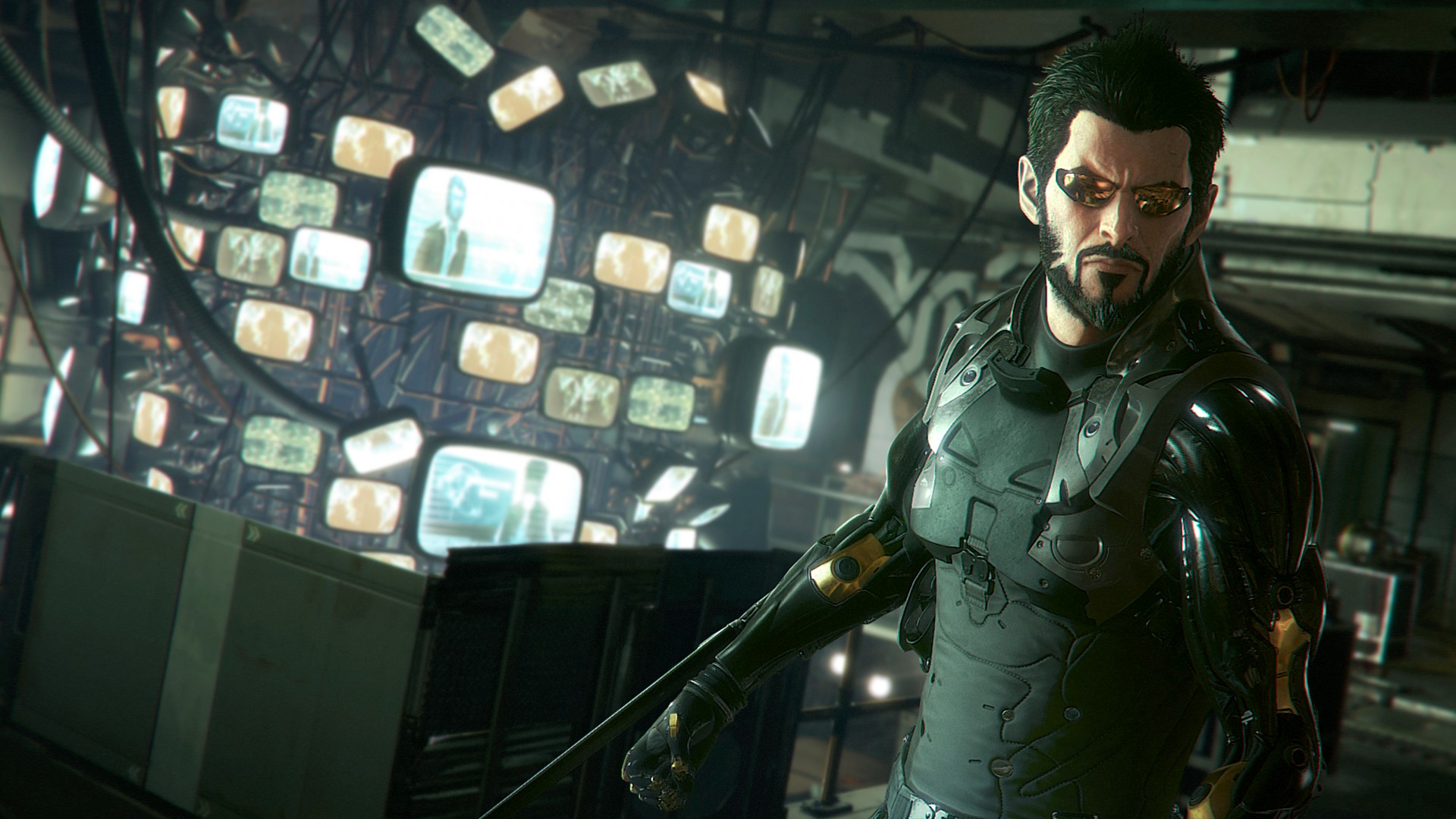
Well, Eidos Montréal picked up the mantle with Human Revolution (2011) and Mankind Divided (2016), let’s forget Invisible War for a hot second – that never happened. Eidos Deus Ex games…no, they weren’t perfect, but they successfully dragged the series into the modern era, and at the very least, made a new generation of gamers aware this series from the 90s still existed, and was in fact not dead. They had dense hubs, multiple routes, social stealth, hacking, and the same “try weird stuff and see if the game blinks” energy – loved it.
That’s what makes the recent layoffs so frustrating, because under Embracer, a new Deus Ex was reportedly deep in production – before getting the axe alongside this new wave of firings. A little shimmer of hope can be found, however, since an official Deus Ex Remastered of the 2000 original is coming, by no other than Aspyr. Let’s hope they don’t fumble it as they did with the Knights of the Old Republic Remake, eh?
Blood Omen: Legacy of Kain and especially Soul Reaver 1 and 2 carved out a niche as blood-soaked, story-heavy action adventures that cared as much about fatalism and betrayal as they did about ripping enemies apart with spectral swords and vampiric claws.
The plane-shifting mechanic in Soul Reaver – swapping between material and spectral realms to solve puzzles – was absurdly ahead of its time, and so was the storytelling overall, what with its twists and turns that kept you at the edge of your seat – it was peak, gothic horror storytelling.
Then came Defiance in 2003, and…the series just stopped. True, there was Nosgoth and the Soul Reaver Remasters, but Nosgoth was launched in beta and shut down, and the Soul Reaver games were just remasters, nothing else – as the name would suggest.
Any attempt to revive this rotten corpse of a once glorious series was in vain, and while sad, the irony isn’t lost on us, considering Nosgoth itself could not be saved in the end. Or could it have been? We’ll never know, because the story was never told.
And after suggestions that a Legacy of Kain reboot was in the works, there is a consensus from insiders that the layoffs at Eidos have forced them to cancel it.
Immersive sims and great action-adventures will probably never truly die, because their ideas keep leaking into other genres, whether anyone uses the label or not. But with Arkane Austin gone, Deus Ex shelved, Thief dormant and Legacy of Kain buried again, it’s hard not to feel like an era of great gaming is doing a head-first dive into nothingness – Indie games not withstanding.
At minimum, we hope these layoffs and cancellations are a reminder of how fragile even “big” series really are. They’re only one acquisition, one collapsed funding deal, or one bad quarter away from becoming history lessons.

Cedric is a passionate gamer and dedicated author known for his sharp insights and engaging coverage of the gaming world. With a deep-rooted love for all things interactive and competitive, Cedric has turned his lifelong hobby into a thriving career, writing in-depth news pieces, game reviews, and esports coverage for a global audience. Whether breaking down the latest tournament results, analyzing gaming trends, or spotlighting rising stars in the industry, Cedric brings a clear voice and a gamer’s perspective to every story.