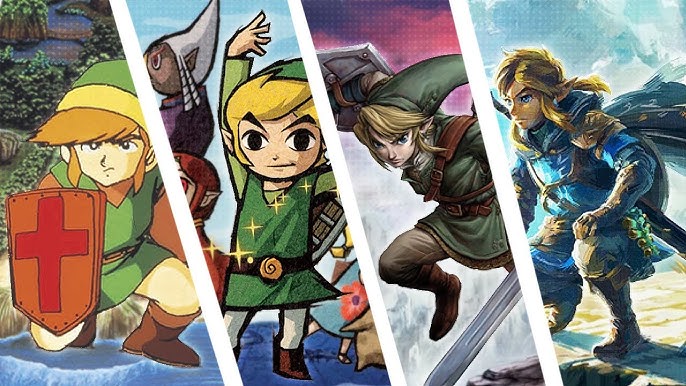
With the Nintendo Switch 2 era officially upon us, the speculation surrounding the next mainline Legend of Zelda title is on the rise.
While Breath of the Wild and Tears of the Kingdom redefined open-world gaming, their painterly, cel-shaded aesthetic has become the series’ identity for nearly a decade.
Now, as the community looks toward more powerful hardware, a familiar debate has resurfaced: should the next Zelda embrace the “realistic” grit of Twilight Princess, or is stylization the heart of the franchise?
Following on from Zelda’s recent 40th birthday celebrations, recent viral discussion within the franchise’s community has highlighted just how divisive this topic remains.
While some long for a return to the high-fidelity aesthetics seen in early GameCube tech demos, others argue that Zelda’s true strength lies in its ability to reinvent its visual language with every new generation.

The Push for Power: Why Fans Want a High-Fidelity Hyrule
The primary catalyst for this shift in sentiment is, of course, the increased hardware capabilities of the Nintendo Switch 2.
For years, Nintendo has worked within the constraints of mobile chipsets, leading to the highly optimized, stylized look of the “Open Air” era.
However, with rumors of significant GPU upgrades and DLSS support, many fans feel it is time for Link to step back into a more detailed, grounded world.
Proponents of a “realistic” Zelda often cite Twilight Princess as the gold standard for a more mature, dark fantasy atmosphere.
The desire isn’t necessarily for “photo-realism” – which many argue doesn’t fit a world of goblins and goddesses – but rather for a return to detailed textures, moody lighting, and character designs that feel less like Miis and more like inhabitants of a living, breathing epic.
The Case for Stylization: Why Zelda Doesn’t Need Realism
On the other side of the Great Deku Tree, many veterans of the series argue that Zelda has never truly been a “realistic” franchise.
From the vibrant pixels of the NES to the stained-glass beauty of The Wind Waker, Zelda is a series defined by art direction over raw graphical power.
Stylization offers a practical benefit that realism often lacks: longevity.
While realistic games from the PS3/Xbox 360 era can look dated today, the cel-shaded Wind Waker or the impressionist Skyward Sword remain visually striking.
Many fans worry that by chasing realism on the Switch 2, Nintendo might sacrifice the timeless charm that makes Hyrule feel like a storybook come to life.
As one community member noted, “Zelda is a fantasy series; stylization makes more sense for a mythic world.”
A History of Visual Reinvention: What Comes Next?
If there is one thing Nintendo is known for, it is the refusal to do what is expected.
The jump from the realistic Ocarina of Time 3D tech demo to the cartoonish Wind Waker initially sparked a “Space World” backlash that is now a legendary piece of gaming history.
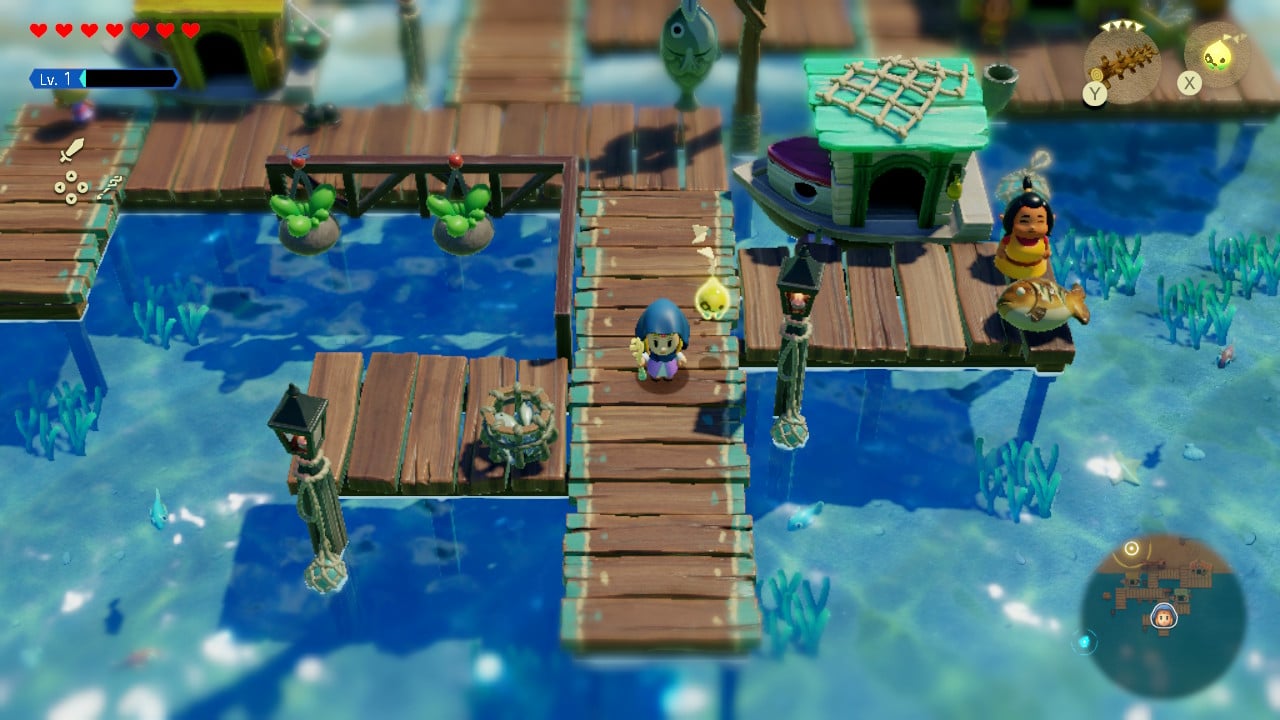
Since then, we’ve seen the “Chibi” toy-like look of the Link’s Awakening remake and the watercolor wash of Breath of the Wild.
Whatever Nintendo is “cooking up” for the Switch 2, history suggests it will be a new visual direction entirely.
Whether it’s a return to the grounded aesthetics of the early 2000s or a bold new digital art style we haven’t seen before, the Switch 2 provides the perfect canvas for the next evolution of the legend.
Meanwhile, rumours about the upcoming Zelda movie have been heating up.
