Paul McNally has been around consoles and computers since his parents bought him a Mattel Intellivision in 1980. He has been a prominent games journalist since the 1990s, spending over a decade as editor of popular print-based video games and computer magazines, including a market-leading PlayStation title. Paul has written high-end gaming content for GamePro, Official Australian PlayStation Magazine, PlayStation Pro, Amiga Action, Mega Action, ST Action, GQ, Loaded, and the The Mirror. He has also hosted panels at retro-gaming conventions and can regularly be found guesting on gaming podcasts and Twitch shows. Believing that the reader deserves actually to enjoy what they are reading is a big part of Paul’s ethos when it comes to gaming journalism, elevating the sites he works on above the norm.
Suspicious bots may have been caught defending PlayStation’s move away from physical games, but evidence is thin

By Paul McNally
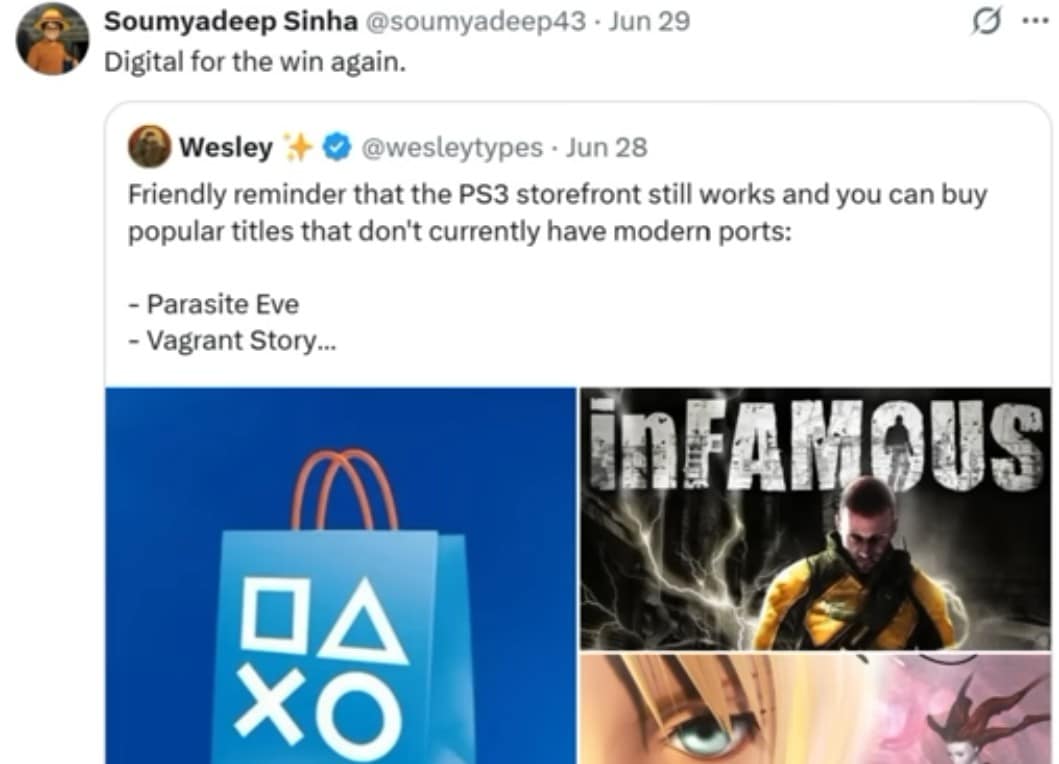
Sony’s decision to end physical PlayStation game production has already kicked off one of the biggest gaming arguments of 2026. Now, suspicious social media accounts have been accused of defending the company’s all-digital plans, despite the major backlash against them.
YouTuber and hardware leaker Moore’s Law Is Dead claims to have found several accounts displaying bot-like behaviour while responding to criticism of Sony’s decision to stop producing physical discs for new PlayStation games from January 2028.
The accounts certainly look suspicious. However, there is currently no evidence proving Sony created, controlled or paid for them.
Sony announced on July 1 that physical disc production for all new games released on PlayStation consoles would end in January 2028. Games released before the cut-off will not be affected, but subsequent releases will only be available digitally through the PlayStation Store or digital products sold by retailers.
According to Sony, the change reflects consumer preferences, with digital game purchases now “significantly” outpacing physical sales. That explanation has done little to settle concerns about ownership, preservation, second-hand sales and the lack of pricing competition when games are locked to a single digital storefront.
Suspicious accounts defended PlayStation’s disc decision
In a new video, Moore’s Law Is Dead said he examined replies from people supporting PlayStation’s decision. After reportedly using AI to examine years of posting histories and then checking the activity manually, he highlighted three accounts he believed were probably automated or being used for promotional purposes.
The alleged warning signs included accounts suddenly returning after several years of inactivity, posts written in unusually formal or corporate-sounding language, apparent AI-generated profile photographs and interactions with other accounts that were later deleted.
One account had reportedly praised Sony’s previously proposed closure of the PS3 and PS Vita digital stores. It also liked a post connected to Christopher Nolan’s The Odyssey shortly before it was announced that selected screenings would include a trailer for Marvel’s Wolverine.
Moore’s Law Is Dead described that timing as a potential “smoking gun,” although liking a conveniently timed social media post is obviously not proof of participation in an organised marketing campaign.
A second account had allegedly remained inactive for around six years before suddenly beginning to publish enthusiastic posts about Rockstar Games and GTA 6. Its profile is also linked to an otherwise unused TikTok account that appeared to have been prepared for promotional activity.
The third and supposedly most convincing example returned after approximately three years of silence. It began posting an unusual combination of political, religious and gaming content, while also following numerous accounts that were subsequently removed. One post argued that the user had effectively abandoned the idea of owning games in either physical or digital form.
So, who’s running the propaganda show?
There is no evidence Sony hired the alleged bots
Even Moore’s Law Is Dead acknowledged that he could not prove Sony had hired the accounts or was even aware of their activity. A third party, marketing agency, engagement farm or completely unrelated group could be responsible.
The accounts could also belong to trolls, overenthusiastic PlayStation fanboys, compromised users or automated profiles attaching themselves to whichever gaming subject is currently attracting attention.
Most importantly, three suspicious accounts do not constitute proof of a coordinated PlayStation bot campaign. There are no payment records, internal communications, agency contracts or technical links connecting the accounts to Sony. One analysis of the allegations described the evidence as circumstantial and argued that moving from “these accounts look fake” to “Sony paid for them” requires a considerable logical leap that is impossible to make
Sony had not publicly responded to the accusations at the time of reporting.
Sony has spent years encouraging players to invest in digital libraries, subscriptions and accounts, but removing physical games entirely is a considerably larger step. It takes away the ability to trade, lend, resell or collect new releases while leaving PlayStation in control of the primary marketplace on its consoles.
As ever, something fishy is going on out there, so the solid advice is don’t be swayed by anything controversial you read online.