Ashley Turner is an entertainment journalist with over 5 years of experience covering gaming, pop culture, and digital media. Her work has appeared across multiple gaming and entertainment publications, covering breaking gaming news and industry analysis. A passionate gamer herself, she particularly loves Western RPGs and JRPGs for their storytelling and world-building. Ashley holds a Master's degree in International Media from American University and, alongside gaming, enjoys traveling and swimming in her free time.
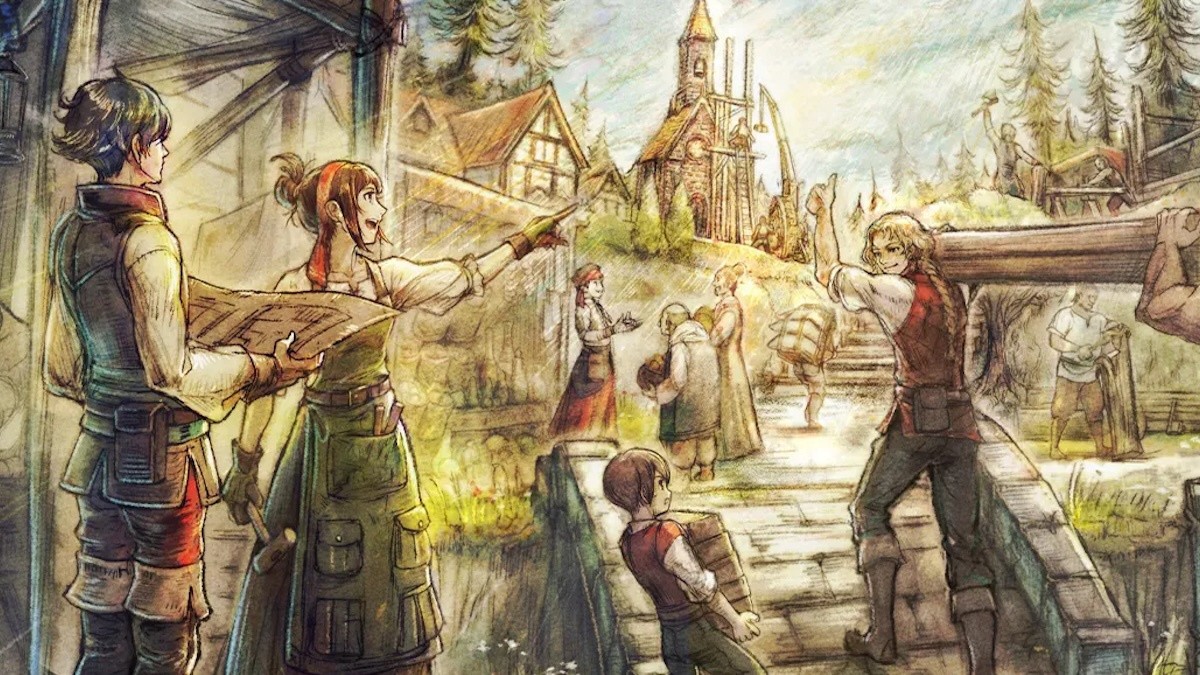
Let’s be honest: when Square Enix announced they were taking their mobile gacha game, Champions of the Continent, and porting it to consoles as a full-priced prequel called Octopath Traveler 0, the collective groan from the JRPG community was loud enough to break a Shield Point. Mobile-to-console ports usually smell like lazy cash grabs. They often have stripped-down mechanics, ugly UI, and microtransactions hiding in the corners.
But after sinking over 100 hours into the Switch version, I have to eat my words. Octopath Traveler 0 isn’t just a “good mobile port.” It’s a complete reimagining that strips away the predatory gambling mechanics of the original and replaces them with arguably the deepest combat system the series has ever seen.
However, if you are playing this on the original Nintendo Switch hardware from 2017, there are some serious caveats you need to know about before you drop your cash. It’s a tale of two systems, and your mileage is going to vary heavily depending on whether you’ve upgraded to the Switch 2 yet.
Starting From Zero: The Story
The “0” in the title signifies two things: this is a prequel set years before the first game, and you are literally starting with nothing. Unlike the previous mainline entries where you pick one of eight established heroes, here you create a custom avatar—a “Chosen One” of sorts.

The game opens in the idyllic town of Wishvale. You spend the prologue meeting neighbors, learning the ropes, and getting attached to the cozy vibes. Then, in true JRPG fashion, everything goes to hell. A trio of villains—the Masters of Wealth, Power, and Fame—descend on your home, murder your parents, and burn the town to the ground.
This tragedy sets up the core loop: you aren’t just wandering the world for the sake of adventure. You are on a specific mission of revenge and restoration. You need to hunt down the three Masters and rebuild Wishvale from the ashes.
Octopath Traveler 0 feels like one of the story-led games leading the turn-based RPG renaissance, that is pushing innovation in gaming right now.
The Villains Steal the Show
The writing here takes a darker, grittier turn than its predecessors. The three main antagonists are wonderfully hateable.
- Herminia, the Master of Wealth: A “Witch of Greed” who enslaves people through debt. Her story arc is a grim look at unchecked capitalism and exploitation.
- Tytos, the Master of Power: A massive, scenery-chewing warlord who believes might makes right. He’s physically imposing and genuinely intimidating.
- Auguste, the Master of Fame: Easily the standout. He’s a playwright who murders people to inspire his scripts. Critics have described him as a “demented Martin Short” who is flamboyantly evil and totally unhinged.
The downside to this narrative focus? Your protagonist is a mime. Square Enix went with a “silent protagonist” for this entry, and it honestly hurts the immersion. In previous games, the banter between characters like Cyrus or Partitio was the highlight. Here, when your mom is dying in the opening scene, your character just stares blankly. It makes the emotional beats land with a thud rather than a bang.
Octopath Traveler 0 Combat Mechanics
If you thought managing a party of four was tactical, welcome to the big leagues. Octopath Traveler 0 lets you bring eight characters into battle at once, and it is glorious.
The system works on a “Front Row / Back Row” mechanic. You have four active fighters up front dealing damage and taking hits. Behind them sit four reserves.
- The Swap: You can swap a front-row character with their back-row partner instantly on their turn without losing an action.
- The Rest: Characters in the back row regenerate HP and SP (mana) every single turn.
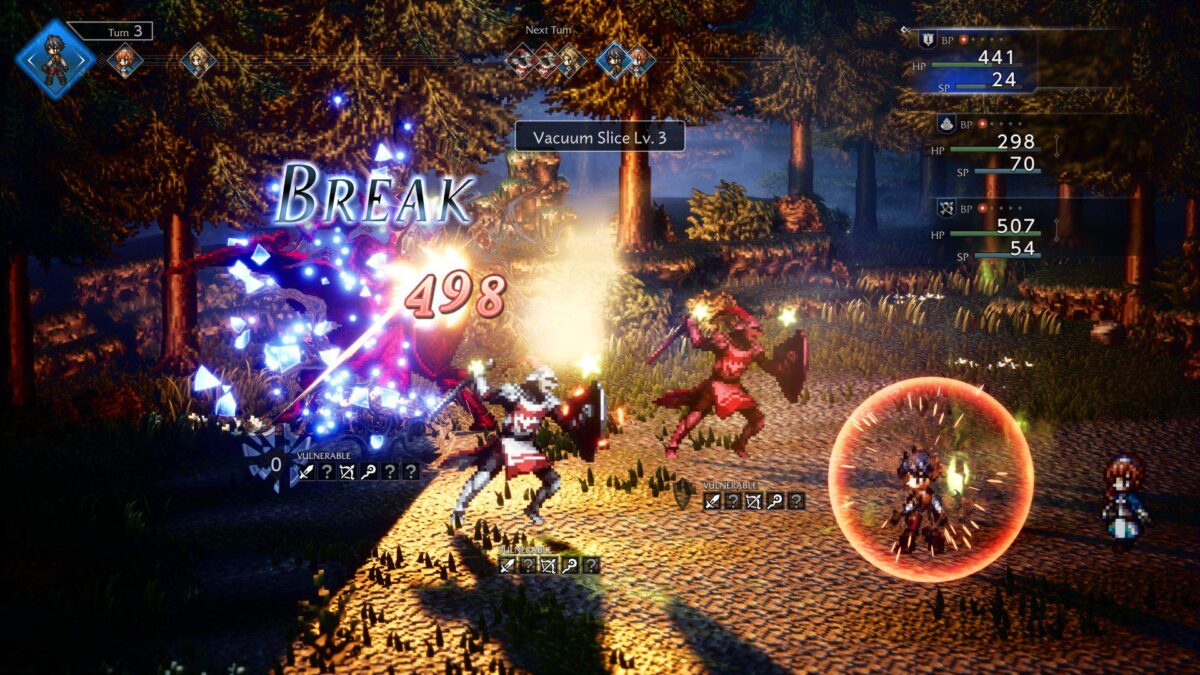
This changes the entire flow of combat. In older games, running out of mana meant wasting a turn using a plum or defending. Here, you just rotate your mage to the back line, let them recharge for two turns while a warrior takes their place, and then swap them back in to nuke the boss.
It turns boss fights into wars of attrition. The bosses have massive health pools and hit like trucks, often wiping out your entire front row in one move. You have to constantly cycle fresh bodies into the fray. It feels more like managing a sports team than a traditional RPG party, and it’s addictive as hell.
The Roster: Gotta Recruit ‘Em All
Since this used to be a gacha game, there are a lot of characters—over 30 recruitables. But the gacha is gone. You don’t pay money for them. You earn them.
- Story Recruits: Key characters join you automatically as the plot advances.
- World Recruits: You’ll find characters hanging out in taverns or towns. Some require you to complete a fetch quest, others might need you to beat them in a duel or pay them a fee.
Fans of the series will spot younger versions of Octopath 1 heroes. You can recruit a young Primrose in Sunshade or find Therion and H’aanit out in the world. Getting H’aanit, for example, requires beating Chapter 1 of the Wealth storyline and then hunting her down in Victor’s Hollow. It rewards exploration in a way the other games didn’t.
Original Users Limited By Ocotopath’s Town Building
About 10 hours in, the game opens up the “Town Building” mechanic. You return to the ruins of Wishvale and start fixing it up. This isn’t just a side mini-game; it’s essential for your progression.
You collect resources like Lumber, Stone, and Cloth from enemies or harvest points. You use these to build houses, weapon shops, and farms.
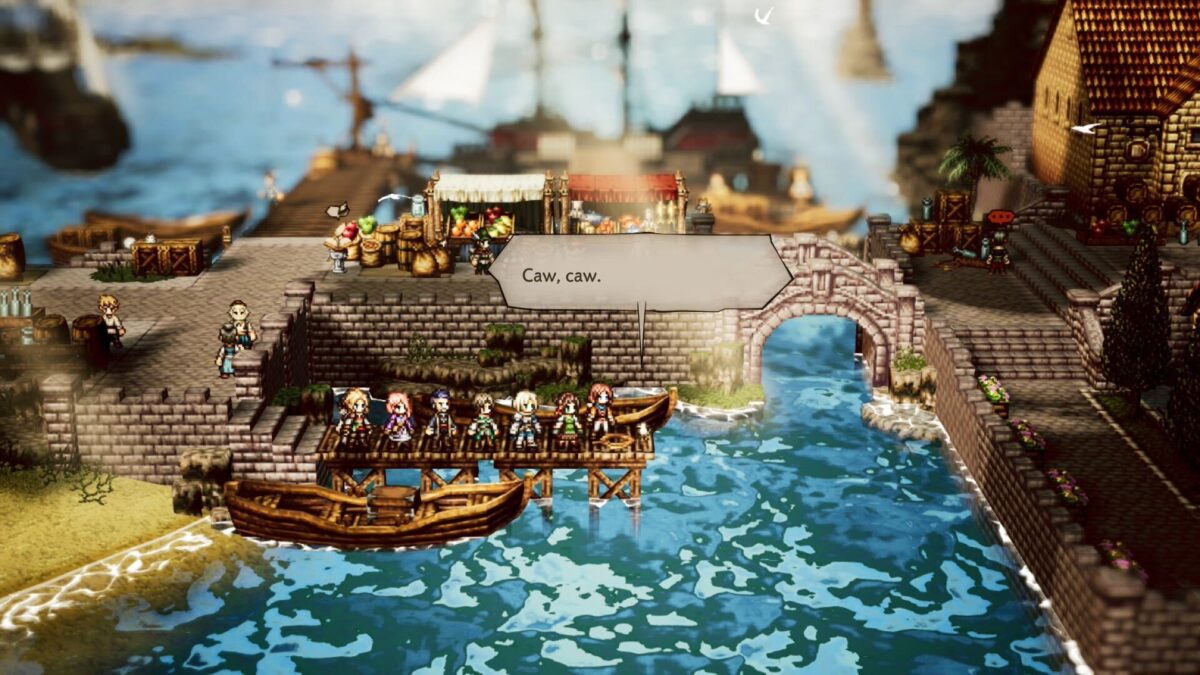
- The Hook: Every character you recruit needs a house. Once they move in, they provide passive buffs (Town Skills) to your economy.
- The Loop: You go out, fight monsters, get materials, build a better smithy, buy better swords, go fight stronger monsters. It’s a satisfying loop that gives value to all the trash mobs you fight.
However, on the Switch, this feature comes with a warning label. The original Switch hardware limits you to placing 250 objects in your town. If you’re the type who wants to place every single fence post and flower bed perfectly, you will hit that limit fast. Players on the Switch 2 get a limit of 400, and PC players get 500. It’s a harsh reminder of the aging hardware.
Visuals and Audio: The HD-2D Legacy
Visually, the game utilizes Unreal Engine 5 to push the HD-2D aesthetic. The lighting effects are stunning, with real-time shadows and water reflections that look better than ever. The bosses are massive sprites that fill half the screen, and the particle effects during ultimate attacks are dazzling.
But… and this is a big “but” for Switch owners… the performance varies wildly.
The Switch Performance Report
This is a cross-gen title, and it shows.
- Original Switch (Docked): The game targets 720p and 30 FPS. In busy towns or during heavy particle effects, it can chug. The resolution scaling is aggressive, meaning the game can look quite blurry on a big TV.
- Original Switch (Handheld): It drops to 576p. It’s playable, and the OLED screen helps the colors pop, but the text can be jagged and the image soft.
- Switch 2: If you have the new console, you’re getting 1080p and a buttery smooth 60 FPS.
The Upgrade Controversy: Here is the kick in the teeth. Square Enix has decided not to offer an upgrade path. If you buy the digital version for Switch 1 today, and you buy a Switch 2 next month, you cannot upgrade your copy. You have to buy the game again (or rely on backward compatibility which runs the Switch 1 code, missing out on the 60 FPS boost). It’s a baffling, anti-consumer decision that you need to be aware of.
The Soundtrack
Composer Yasunori Nishiki returns, and he has dropped another masterpiece. The soundtrack features a mix of rearranged classics and brand-new bangers. The new battle theme, “Battle 0,” is intense, driving, and perfectly suited for the prequel’s desperate tone. There is even a vocal ending theme, “Yet I Carry On,” which adds a cinematic flair the series hasn’t had before.
The Issues
Aside from the technical wobbles on the old Switch, the game has a few design frustrations.
- Encounter Rate: The random encounter rate is aggressively high. You cannot take ten steps in a dungeon without a fight. Unlike Bravely Default, there is no slider to turn this off or down. When you just want to backtrack to find a chest, this becomes infuriating.
- Asset Reuse: Because this is based on a mobile game from 2020, you will see a lot of recycled assets. Some dungeon layouts feel simpler and more “corridor-like” than the complex maps of Octopath Traveler II.
- UI Clutter: The menus still feel a bit like they were designed for a touch screen, with large buttons and lists that take a while to scroll through on a controller.
Final Thoughts
Octopath Traveler 0 is a strange beast. It is a “demake” of a mobile game that somehow feels more cohesive than the main console entries. The decision to focus on one central story (rebuilding Wishvale) rather than eight disconnected ones fixes the series’ biggest narrative flaw, even if the silent protagonist is a bore.
The 8-character combat system is the real reason to play this. It is fast, strategic, and solves the issue of resource management that plagues most JRPGs.
If you are playing on an original Nintendo Switch, this is a 4-star experience trapped in 3-star hardware performance. It is blurry and the load times can drag, but the core game is good enough to shine through. If you have a Switch 2, this is a definitive JRPG experience.
Is it worth $60? Yes, for the sheer amount of content (100+ hours). Just be prepared to grind—both for levels and for lumber.
Score: 4.5/5
Pros & Cons
| Pros | Cons |
| 8-Player Combat: The front/back row swapping system is tactical genius and keeps the pace fast. | Switch 1 Performance: Blurry visuals (720p/576p) and 30 FPS cap make it feel dated on old hardware. |
| No Gacha: Over 30 characters are recruited via quests and gameplay, feeling rewarding and fair. | Silent Protagonist: The lack of a voiced hero kills the emotional impact of the dark story. |
| Town Building: Rebuilding Wishvale is a satisfying loop that connects gameplay to the narrative. | High Encounter Rate: You can’t turn off random battles, making backtracking tedious. |
| Music: Yasunori Nishiki’s score, especially “Battle 0,” is S-tier work. | Anti-Consumer Policy: No free or paid upgrade path from Switch 1 to Switch 2 versions. |
| Darker Story: The three “Masters” are excellent villains, providing a more mature tone than previous games. | Building Limits: Switch 1 owners are capped at 250 town objects, stifling creativity. |