Our team consists of a rotating staff of games enthusiasts who love journalism and journalists who love video games.
Google Playground Lets Users Build Simple Games Without Code

By GamesHub

Google has launched Playground, an experimental browser-based tool for making simple games with text prompts, while a more advanced Unity-powered version is planned for later this year. The two-stage rollout means the first step is prompt-made creations; the deeper 3D experience is still on the way, according to Video Games Chronicle.
What Playground can do now
Playground is designed to let users describe the game they want rather than write code. Google presents it as a way for people without technical experience to bring an idea to life, though the initial games are described as simple-not a shortcut to a finished, studio-scale release.
Once made, creations can be tested offline or shared with friends through a link. That makes the first version feel like a low-pressure place to try out a game idea and pass it around, rather than a replacement for the tools developers use to build larger projects.
Supplementary reporting from PCMag says users can choose between 2D or 3D and single-player or multiplayer setups, then adjust elements such as rules, characters and environments. It also reports that games can be kept private, shared by link or published to a community gallery, and played on a phone or laptop.
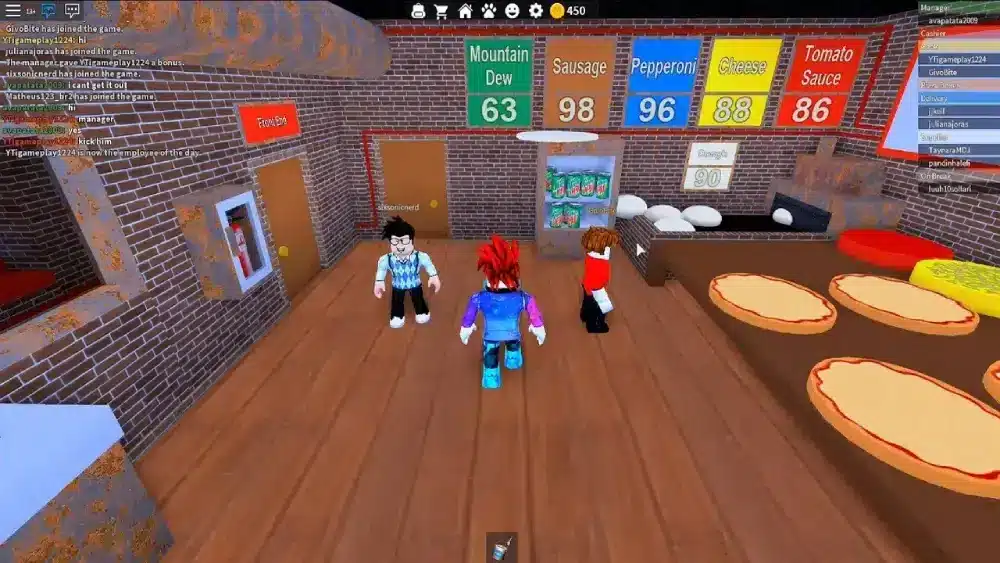
There’s a familiar idea behind turning a written prompt into something playable: Roblox has also explored prompt-based game creation. Playground’s appeal will be in how much control it gives curious players once the first version has appeared on screen.
Unity Spark is the more ambitious follow-up
The planned Unity collaboration, called Unity Spark, will also run in a browser, but is intended to take the idea further. Users will be able to generate 3D games with text prompts, drawing on assets from the Unity Asset Store.
Google’s first Playground release and Spark are therefore distinct steps, not two names for the same experience. The source describes Spark as the more advanced version; supplementary PCMag reporting says it is in testing, with a closed beta expected soon, and points to ambitions around professional-level mechanics and higher-fidelity 3D.
AI game tools come with real questions
Generative AI remains contentious in game development, with concerns about plagiarism and the perceived quality of its output. At the same time, developers are using AI in attempts to cut costs and speed up production, leaving tools like Playground caught between a genuinely exciting creative opening and the industry’s unresolved questions.
The source also reports that Unity’s share price fell 20 percent last year after Google unveiled its Genie 3 world-generation model, and that Unity CEO Matt Bromberg described the market reaction as a misunderstanding of AI’s effect on the games industry.
| Tool | Availability | Creation method | What’s established |
|---|---|---|---|
| Playground | Experimental launch | Text prompts | Simple AI games; test offline or share by link |
| Unity Spark | Planned for later this year | Text prompts | Browser-based 3D games using Unity Asset Store assets |
For now, Playground is the tool Google has put forward, while Unity Spark remains the next milestone rather than a feature players can already try. That distinction matters: the immediate experiment is about making simple games accessible, and the more ambitious Unity-backed version is still to come.