








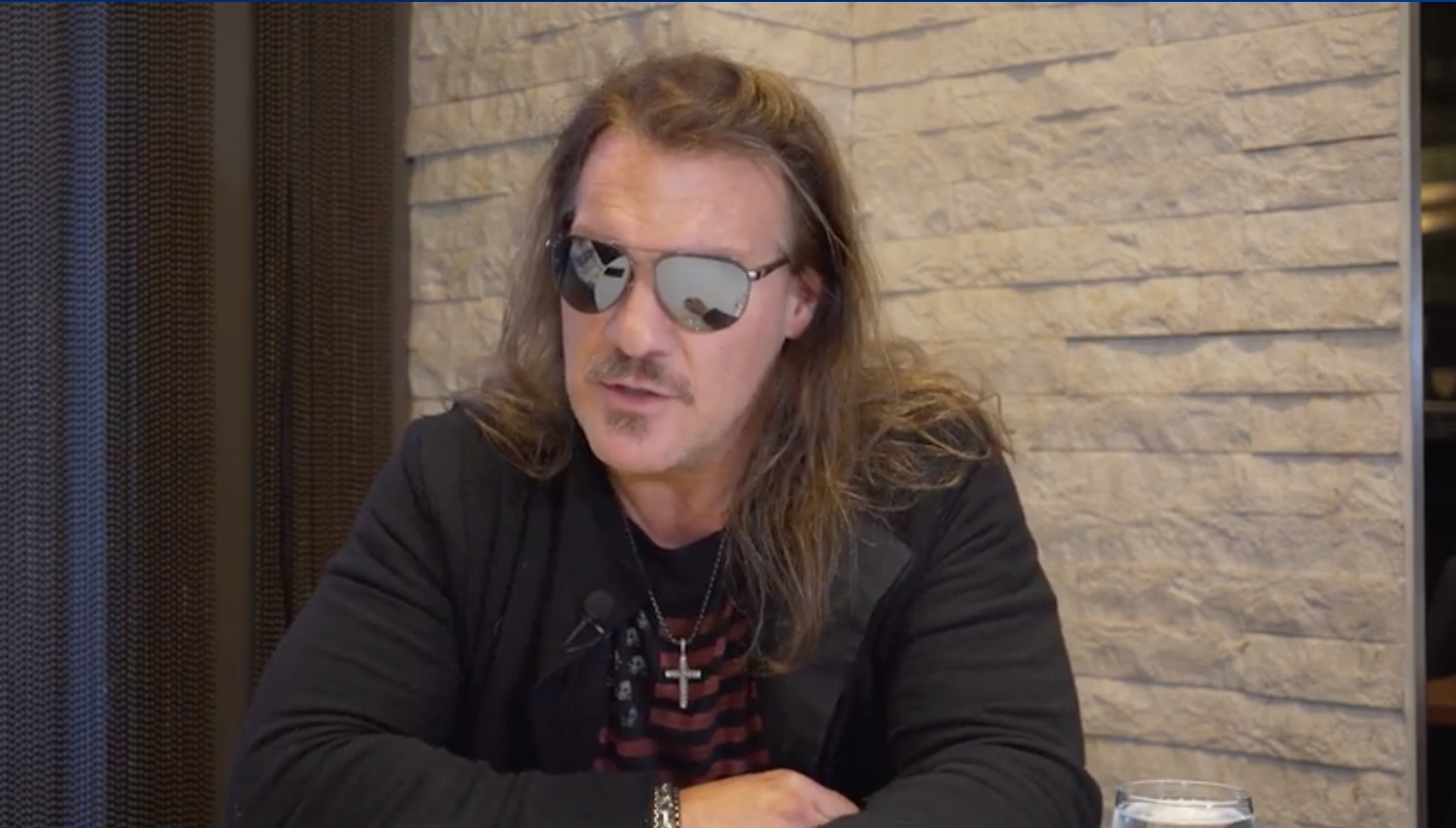
GamesHub: Chris, welcome. You’re here in the UK on tour with Fozzy. How’s it going so far?
JERICHO: Literally just got here about four hours ago, so we’re just getting started. But we’ve been coming here for 20 years — our first tour was in 2006. It’s always been such a great market for us. I remember the very first show we played in the UK was at Rock City in Nottingham. I walked onto the stage and there were so many people there, I thought I’d walked into the wrong building. I couldn’t believe how many people had turned up right out of the gate. It’s just continued to grow ever since, and this is actually going to be our biggest tour — not just in the UK, but our biggest tour ever. The UK really is like a second home to us.
GamesHub: You go everywhere, don’t you — big cities, small cities?
JERICHO: Exactly. We start in Margate, Brighton, Southampton, Bradford — everywhere counts. I think that’s one of the reasons we have such a great fan base here. We’ve built a real grassroots following by playing everywhere, not just the major cities.
GamesHub: Fozzy must have started as something of a side project given how busy you were with wrestling. When did it stop feeling like that?
JERICHO: We made a conscious decision in 2010 to go full-time with Fozzy and take it as far as we could. That’s really when everything started to grow. And then in the States, rock radio is still very vibrant and very important to building a band. When Judas came out, suddenly we became a radio band. We now have nine top-ten singles. Nine. That made a massive difference. You could see how the band grew once we started focusing more on touring and radio, and Judas just took off. You never really know how a song is going to do — it’s like a wrestling angle. You don’t know if it’s going to work until it does. But Judas hit a million views on YouTube within a week. It was huge and really took the band to the next level.
GamesHub: Where does Judas stand commercially now?
JERICHO: It’s not quite platinum yet — in the States that’s a million units sold — but it’s going to get there probably within the next year to year and a half. When you have a song like that, one that they’re playing in hockey arenas and football stadiums, it takes everything to another level. And even if nothing else we put out ever goes platinum, we have a platinum song. That’s all you need to keep building.

GamesHub: There was an iconic moment back in 2021 when the crowd sang Judas acapella in AEW. Do you remember much about how that came together?
JERICHO: It was a great moment. We were doing the storyline with MJF, and he had all these stipulations — one of them was banning Judas from being played. The idea came up — I think it was collaborative, the whole storyline lasted exactly 366 days, a year and a day — that we should ban the song and see what the crowd does. There were a lot of theories in the production meeting about how to make it work. One producer was adamant we needed to put the lyrics on the screen with a bouncing ball. Someone else wanted to put lyrics under the chairs. Everyone had ideas. But Tony Khan and I talked about it, and he said, ‘When you go to a concert, people know the words or they don’t.’ That’s the organic nature of it. If you force it, it’s not going to be as cool. I thought, okay, if it doesn’t work, that’s fine — it makes the heel’s plan seem more effective. And if it does work, it’s something special. The first ten seconds were a little rough, but by the third line of the song everyone clicked and got on the same page. Some people had the lyrics on their phones — that’s fine. But that was one of the coolest moments I’ve ever been part of, and I think it’s actually a fairly underrated moment in AEW history and in wrestling history. That’s the only time I can ever remember that happening that way. It was the one time where Fozzy and wrestling collided perfectly.
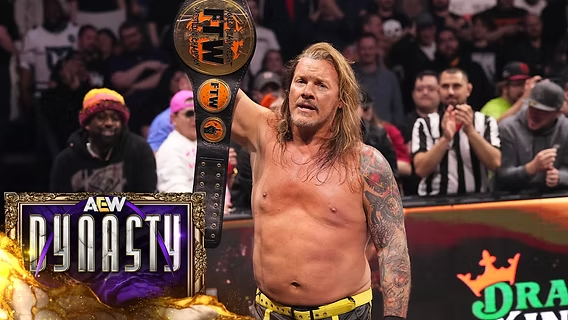
GamesHub: Looking back over your career, you’ve created so many iconic characters — Y2J, the List, the Learning Tree, the Wizard. Which stands out most creatively?
JERICHO: It’s hard to single one out because there have been so many reinventions over so many years. That idea comes directly from David Bowie, honestly. I’m a huge Bowie fan, and he was never the same guy twice. Every record was different in imagery and sound. At the core it was still Bowie, but you could go to a Halloween party and see ten people dressed as Bowie from different eras and recognise every single one of them. I think you could do the same with Chris Jericho. The ones people still talk about most are Y2J, obviously. Then things like ‘Never, Ever Again’ from WCW. ‘You just made the list’ was only around for maybe six or eight months, but it still resonates — I now do it on Cameo and people are constantly asking me to put them on it. The main thing for me is I never want to be a nostalgia act. I want to keep changing, keep doing things that make people angry at first. When I stopped using the countdown, cut my hair, changed from long tights to short tights — it was like KISS taking off the makeup. People want the makeup. But if you leave the makeup on forever, you die. You have to try something new, commit to it, and most of the time it works.
GamesHub: Is there a moment from that philosophy that really stuck with you?
JERICHO: I once went to a radio station with Lemmy from Motörhead. We were both playing the same venue on consecutive nights — they were there for the night before SummerSlam with Iron Maiden, and Fozzy the day after. The radio station only wanted to talk about ‘Ace of Spades,’ but Lemmy had a new record out and he just pulled it out and said, ‘Play track one.’ He said, ‘Ace of Spades is always going to be there, but we need to create new songs as well.’ That attitude has always stayed with me. People still chant Y2J at Fozzy gigs sometimes, and that’s great, but I’m not going to lean on that. I want to keep creating.
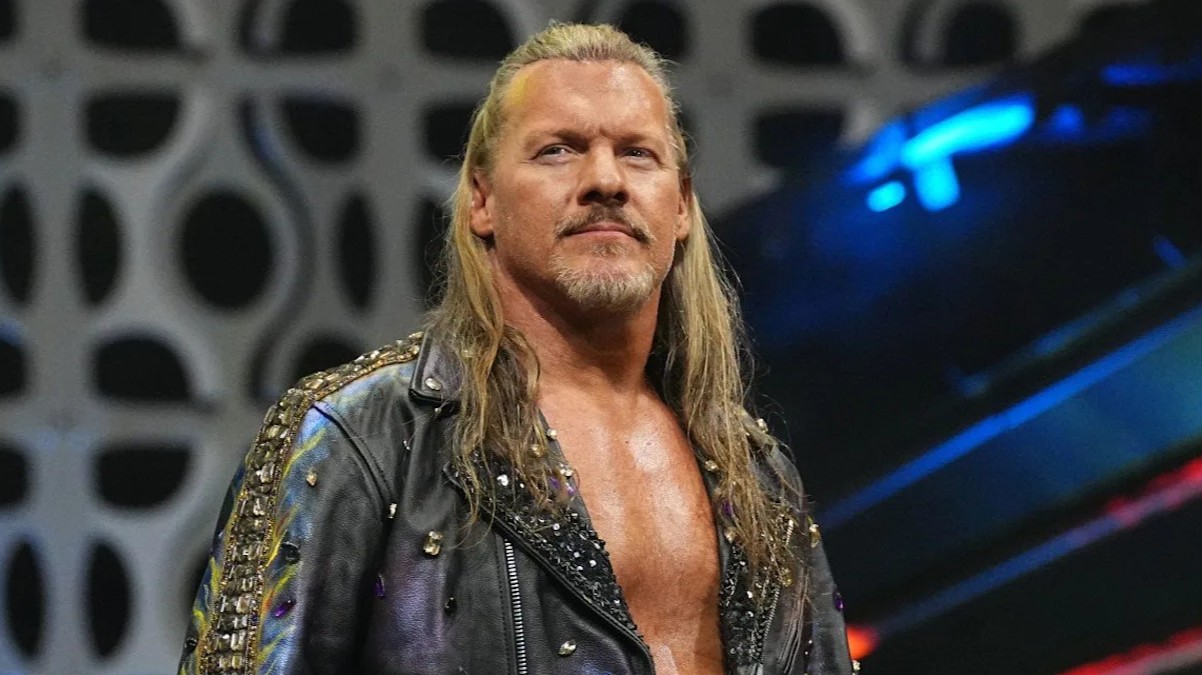
Q: Is there a feud or storyline from your career that you feel didn’t get the credit it deserved?
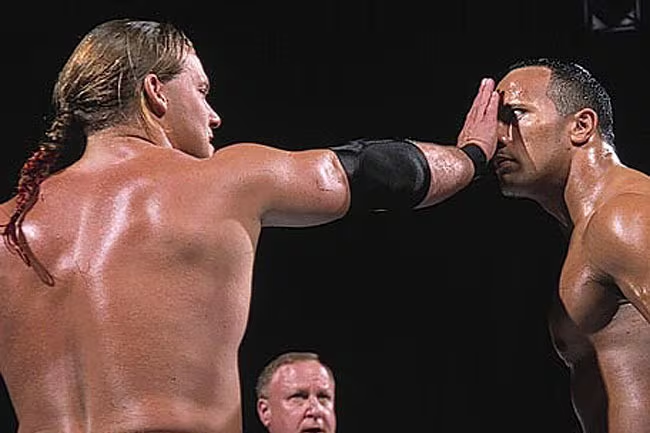
JERICHO: A really great one that I think deserves more recognition is Jericho versus the Rock. We could go toe to toe in the ring, and Rock was a great wrestler. Rock liked to talk things through in promos first, which I can do too, but there were very few people who could genuinely stand up to him on the mic. To have a great dragon slayer, you need a great dragon, and I think we were very good from that aspect. There was a whole run where he accused me of not being able to win the big one — and then I went ahead and beat him for the Undisputed Championship. We were even tag team champions together at one point, for about two weeks. I actually forgot about that until I saw a photo from Madison Square Garden recently and I thought, we were never tag champs — but there it is. Every time we were in the ring together or did a promo or a backstage segment, it was excellent. I think Rock’s been gone from wrestling for so long, and people associate him so strongly with Austin and Triple H, that the Jericho-Rock rivalry kind of gets forgotten. But go back and watch it — it’s very top-level stuff.
GamesHub: At this stage of your career, how do you personally define success in wrestling?
JERICHO: Match quality has become so overemphasised. Wrestling isn’t about match quality — wrestling is about connecting with the crowd, capturing the imagination and the interest of the people watching. Take WrestleMania 18, Jericho versus HBK — we had a great match, probably the best match on the show, and there were 75,000 people there going nuts. But that was the result of a great storyline that built to that moment. Now you can go to a show and see five-star matches back to back, if we’re going by the definition of lots of innovative physical moves. Which is great. But how is the crowd reacting? A five-star match should mean the crowd is going crazy in a sold-out stadium. You can also have a five-star match in a community centre in front of 50 people, so the rating in isolation is irrelevant. It’s character, it’s storyline, it’s charisma. That’s what wrestling is about — it was in the 1930s and it is now. The biggest stars are the ones who connect at the highest level. If you can do that, you’ll always have a career. If you can also have a great match, even better. But the Ultimate Warrior didn’t have many great matches. People didn’t go to see great matches from him — they went to see him run to the ring. I’d love to be able to do that and save the wear and tear.
Q: Does the current emphasis on physical style worry you in terms of long-term careers?
JERICHO: What worries me about the guys working today is here I am at 55, 35 years in, with still some career left to go. I don’t know if it’s a year, two years, four years — I’m not sure. But I don’t know how many of the guys working now will have the option to go 35 years. Hopefully all of them. But you can already see what serious injuries do — a bad neck surgery changes everything. The longevity may be harder to sustain when there’s so much emphasis on the physical at the expense of charisma and character. I remember the first time I ever got hurt. I thought I was invincible. I was in León, Mexico, did a dive over the top rope, and the guy who was supposed to catch me — a guy called Masaka — he just stepped aside. I landed on old-school bolted-down arena chairs. I messed up my arm and I thought, oh, I could actually get hurt doing this. And if a guy doesn’t want to catch you, that’s even worse. After that I started getting smart about which moves were worth the risk. The guys who figure that out early are the ones who get the longevity.
GamesHub: WWE and AEW are often compared. From your perspective, what does healthy competition look like in wrestling?
JERICHO: It’s great. The best thing that ever happened to WWE was when WCW got hot in the nineties. Great for the fans, great for the talent. And then WCW goes away, Vince buys it, and suddenly it’s a monopoly again. When I first had a meeting with Tony Khan about this new company, I thought there was no way it would work, because I’d heard it so many times before. What you need to start a wrestling company is three things: money — lots of it; talent that hasn’t been seen elsewhere but is top level, which is almost impossible to find; and a high-level television deal. But Tony came in with the financial backing, the passion, and then the talent that was available was Cody Rhodes, Kenny Omega — who was a huge star but had never been on TV in this country — Hangman Page, the Bucks, Orange Cassidy, and Chris Jericho was available. Suddenly you have six to eight guys who can all main event. That’s all you need to start a company. And then once we started, I knew I had about three months to build as many guys as I could while the spotlight was on me, since I was the only nationally recognised star besides Jim Ross. So I worked with Cody, Kenny, Hangman, Darby Allin, Scorpio Sky, Jungle Boy — as many people as I could — to pass on some of the rub. Then I put together the Inner Circle with Sammy, Ortiz, Santana, and Jake. Suddenly it’s not all on my back — it’s on six backs, then ten, then twelve. That’s how you build a company.
GamesHub: And the financial impact on the industry?
JERICHO: It immediately raised salaries across the board at WWE as well. There’s a hockey analogy I love — a player called Bobby Hull left the NHL to join the upstart WHA. They paid him a million dollars. When he jumped, every player in the NHL got a raise. My dad played hockey and went from about 35,000 a year to 100,000 a year, which in 1972 was enormous. I’m the Bobby Hull of pro wrestling. The moment I left WWE, Vince was thinking, ‘It’s happening again — raise everybody’s pay.’ There had been a ceiling for years. The most you’d ever get paid was a million dollars guaranteed, regardless of who you were. That ceiling got blown up, and guys started earning above it for the first time. That changed everything in the best possible way.
GamesHub: AJ Styles recently had his final match in WWE at the Royal Rumble, where he was retired by Gunther. Could he be a good fit in AEW?
JERICHO: There was a time when we were going after him when his contract was up. Could he be a good fit? Of course he would be. AJ’s a great performer and a great guy. But there is something to be said for the fact that when you’ve worked in the Vince McMahon system for a long time, you think differently. There are ways WWE runs their company, and there are ways AEW runs theirs. I’m not going to speak for AJ, but I don’t know why you’d retire in one place and then immediately go somewhere else. That said, I’m sure it’s always a possibility.
GamesHub: Were there ever ideas you pitched to Vince or Tony that you felt didn’t get the reception they deserved?
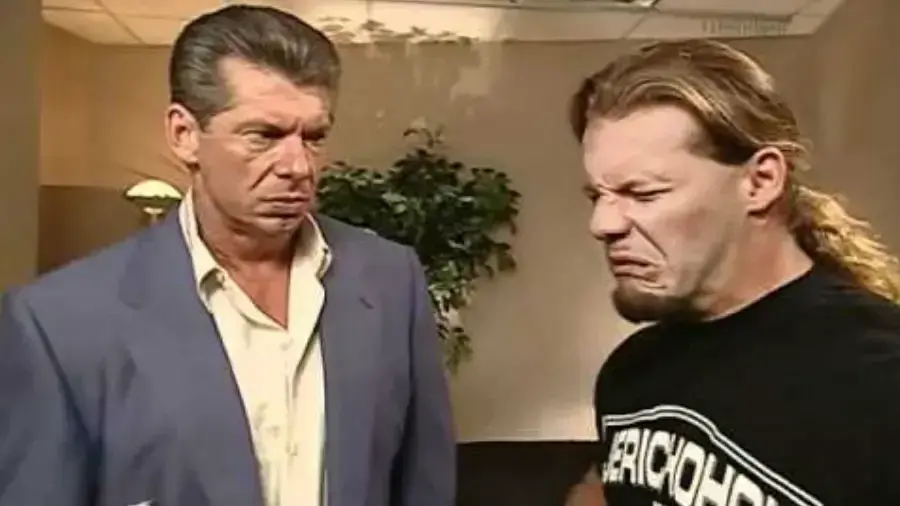
JERICHO: I had one really great idea for Vince that I still think about. The timing going in was off — when I walked into his office, Triple H was there, which is never ideal because you want to be one on one with Vince. And then on top of that, he hadn’t eaten yet, and when Vince is eating, he’s not paying attention to anything else. The idea was a storyline involving Bray Wyatt and Shawn Michaels. The premise was that the Wyatt Family would attack me, and the only person I could call who was crazy enough to have my back was Shawn — even after our rivalry. He comes back to confront me, and just as we’re about to go at it, the Wyatt Family attacks us both. Now you don’t know whether Shawn was going to take my offer or not, but he’s involved. It would be Jericho and HBK against the Wyatt Family, with a SummerSlam match in mind. It was a really solid pitch. But Vince just sat there eating his steak, and when I finished he said, ‘Bad cow.’ I said, ‘What?’ He goes, ‘Bad cow — the steak is tough.’ I said, what do you think of my pitch? He goes, ‘What else you got?’ The steak killed the whole angle. But that’s the nature of working for Vince — if he doesn’t like it, you’re done. Same with Tony, to a degree. You have to please your boss.
GamesHub: When it comes to songwriting for Fozzy now compared to the early years, what’s changed for you?
JERICHO: I used to write lyrics drawing on all sorts of things — history, fantasy, all of it. But when we started working with our producer and I realised how good his lyrics were, I understood that collaboration is everything. It doesn’t matter if it’s your idea or mine — same as wrestling. All that matters is that the song is great. I could demand we use my lyrics; I’m the singer, after all. But nobody cares who wrote the lyrics. What matters is how I sing them. So I have to internalise whatever our writer Johnny comes up with and deliver it with my voice and my feeling. Some of the lyrics he writes are quite dark — darker than anything I’ve tapped into before. But listen to Judas or Fall in Line or Spotlight, there’s some heavy stuff in there, and I think it makes it more compelling for our fans. People relate to it. My earlier stuff was more fantasy — I was writing about D-Day or Viking raids in the 16th century. Great if you’re in Iron Maiden, but less relatable in modern rock. There are times I’ll contribute — I wrote a song called Wordsworth Way on the Judas album, about my childhood and my mum’s early passing and the street I grew up on. Johnny loved those lyrics, so we made it a song. But most of the time I stay out of it until it’s time to come in and sing. Then I inject everything I’ve got into the performance.
Conducted in the UK during Fozzy’s 2026 tour
Note: Transcript has been edited for clarity. Filler words and false starts have been removed while preserving Jericho’s natural voice.

Born and raised in Tokyo, I'm a gaming analyst whose obsession began with the Nintendo 64 in 1996. For me, Super Mario 64 wasn't just a game; it was a masterclass in 3D design that shaped my "gameplay-first" critical philosophy. I specialize in bridging Japanese development culture with global trends. When I'm not deconstructing the latest Nintendo hardware, you can find me at Ajinomoto Stadium supporting Tokyo Verdy.

Bulkhead Interactive has announced it is moving WARDOGS' early access release forward, with the tactical FPS now targeting a launch later this summer. The studio cited overwhelmingly positive feedback from…