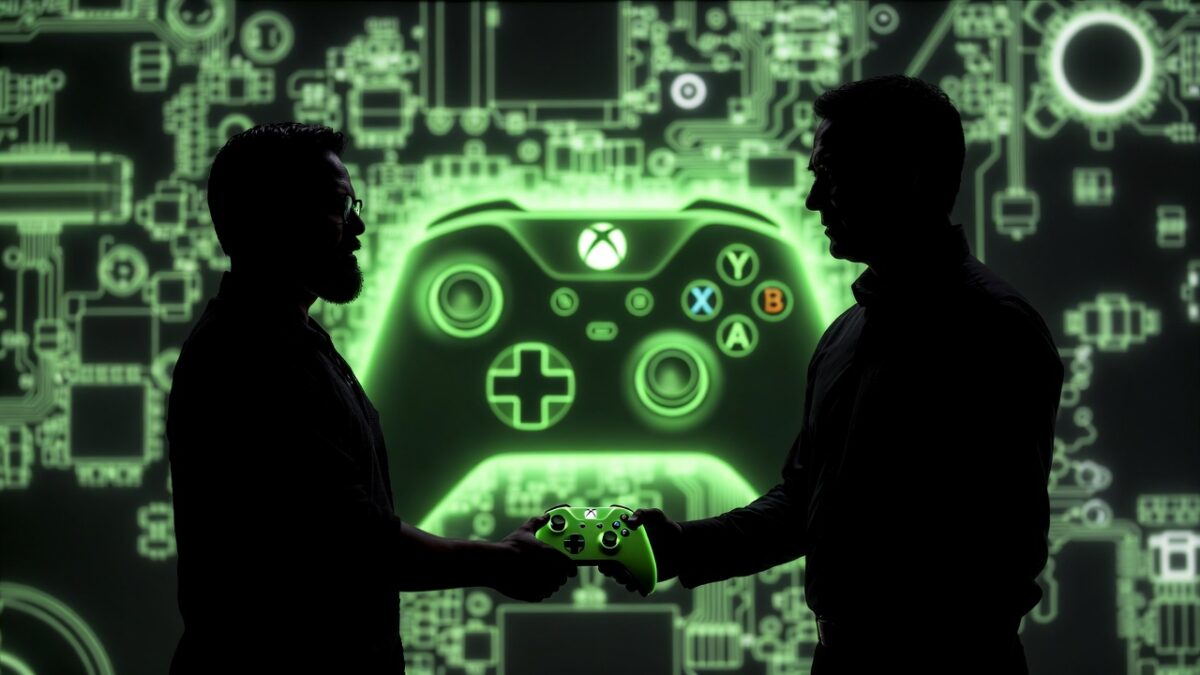
The landscape of the gaming industry has shifted overnight. In a move that has sent shockwaves through the community, Microsoft has announced a massive leadership transition for its gaming division.
After nearly four decades with the company, Phil Spencer is officially retiring, marking the end of an era for the Xbox brand.
However, the retirement of the “face of Xbox” is only one part of a larger executive reshuffle.
In a surprising turn of events, Xbox President Sarah Bond has also resigned, leaving the door open for a new era of leadership under incoming Microsoft Gaming CEO Asha Sharma.
Who is Asha Sharma? The New CEO of Microsoft Gaming
Taking over the mantle from Spencer is Asha Sharma, an executive who previously led Microsoft’s CoreAI product group.
While Sharma brings a wealth of experience from her time at Meta and as COO of Instacart, her appointment has raised eyebrows among core fans due to her background in artificial intelligence rather than traditional game development.
Addressing these concerns immediately, Sharma issued a statement to employees promising that she would not “flood the ecosystem with soulless AI slop,” emphasizing that games remain a form of art.
Her primary mission appears to be steering Xbox through a period of declining hardware sales and a rapidly evolving multi-platform strategy.
Why Phil Spencer and Sarah Bond are Leaving Xbox
Phil Spencer’s departure isn’t entirely unexpected – reports suggest he began succession talks with Microsoft CEO Satya Nadella last year – but the timing, coupled with Sarah Bond’s exit, suggests a significant internal pivot.
Under Spencer’s leadership, Xbox grew from a struggling console brand into a massive ecosystem encompassing Game Pass and major acquisitions like Activision Blizzard and ZeniMax.
However, recent reports from The Verge indicate that the “Xbox Everywhere” strategy – which prioritized mobile and cloud gaming over traditional consoles – has struggled to meet internal expectations.
With Xbox hardware revenue reportedly declining for three consecutive years, it appears Microsoft is looking for fresh eyes to stabilize the business.
The Future of Xbox Consoles and Multi-platform Gaming
What does this mean for the person sitting on their couch with an Xbox Series X? For now, the focus is shifting toward a “device-agnostic” future.
In her introductory note, Sharma reiterated a commitment to reaching players “across devices,” suggesting that the barriers between Xbox, PC, and potentially even rival consoles will continue to thin.
Supporting Sharma in this transition is Matt Booty, who has been promoted to Executive Vice President and Chief Content Officer.
Together, they face the monumental task of balancing Microsoft’s $75 billion investment in Activision Blizzard with the need to appease a loyal fanbase that still values dedicated hardware.
Is the “Xbox Everywhere” Strategy Failing?
The leadership shake-up comes at a critical time. With hardware sales lagging behind the PlayStation 5 and Nintendo Switch, the new leadership team must prove that Xbox can thrive without relying solely on box sales.
Whether Sharma’s AI expertise and platform-building background can translate into “renegade spirit” for gamers remains to be seen, but one thing is certain: the Xbox of tomorrow will look very different from the one Phil Spencer built.
